When collaboration changes the perception of a place
What do these collaborations also bring internally to the teams?
Marie Le Gohebel:
A huge amount of inspiration. It feeds the teams enormously, making the work more inventive, more alive, and fuelling the team’s creativity in unexpected ways.
For example, the artistic and sports collaborations we develop for Capital 8 constantly push the teams beyond traditional real estate codes. They encourage us to explore new references and speak to different audiences.
And another important point: collaborations create strong team energy around a project.
Adrian Strittmatter:
I also think they reveal the depth of a brand.
When a brand identity is strong, it can express itself in many ways, not only through a traditional communication plan.
Collaborations bring another dimension to a project. They reinforce its credibility, its cultural relevance, and demonstrate that a brand can be a genuine platform for creative expression.
For the project teams involved, there is also a very tangible sense of pride and satisfaction.
In a more fragile economic and real estate context, what can culture bring to a project?
Marie Le Gohebel:
Culture creates differentiation.
It moves a project beyond a purely financial or functional reading of an asset. It creates appeal, visibility and, most importantly, emotional connection.
It may sometimes feel intangible, but it is precisely what creates the most enduring value.
Adrian Strittmatter:
And it also helps open places up.
When a project collaborates with local talents, artists, associations or cultural initiatives, it becomes more connected to its location and community.
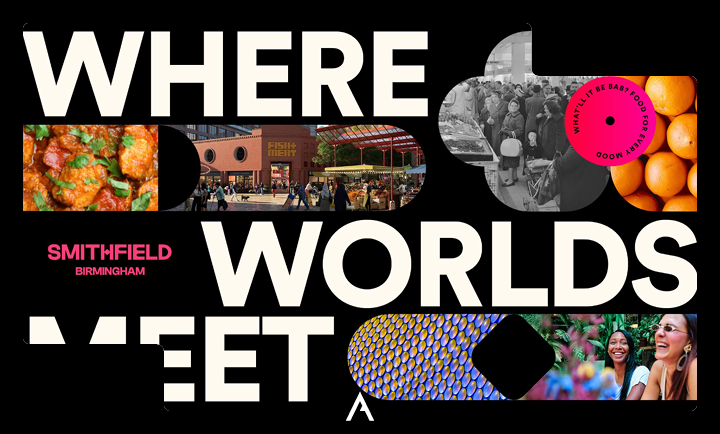
I’m thinking about partnerships developed with local food players and startups for Stories, or the collaboration with Southwark Charities at 220 Blackfriars, which became a powerful expression of the project’s values and reinforced the authenticity of the brand narrative.
A strong and strategic collaboration attracts different audiences and creates new uses. The destination fully embodies its brand story.
I strongly believe that buildings today need to move beyond closed systems.
Collaborations allow exactly that: bringing in new perspectives, new communities and new experiences.
Ultimately, why is this becoming such an important topic today?
Marie Le Gohebel:
Because destinations can no longer be purely functional. People are looking for places they can identify with, and belong to.
Adrian Strittmatter:
Today, true differentiation comes from building a connection with a place. Brands tell stories. Destinations make them real.