From storytelling to storyliving: helping people and places thrive
It was about identifying the key details that would ‘bring a place to life’, and then crafting this into the perfect story an audience would, hopefully, engage with until the end. The end being buying a home, or renting an office, or visiting for the day, or holidaying for a fortnight…
But this is only half the story.
A destination brand becomes powerful when it goes beyond being passively accepted. When storytelling is augmented by storyliving – the art of experiencing a brand in real life – the narrative is explored, influenced and enriched by its audiences. The passive becomes active.
That’s ‘audiences’ plural – because now, with each destination, we find ourselves speaking to a complex, nuanced range of overlapping groups with different values, life goals, behaviours and cultural references, in a fluid user journey that criss-crosses physical and digital spaces.
So how do you reach all of these people, empowering them to live your destination’s brand – and unleash the second half of the story?
The critical importance of storyliving
Places have lives. They evolve continuously, reacting to a twisting kaleidoscope of people, events, systems, environments, societal, cultural and even political forces.
A storyliving brand strategy provides the clarity and coherence to draw together these disparate threads, defining a clear purpose and promise that guides everything from visual identity and communication to long-term planning and development.
On an emotional level, it focuses on the meanings and experiences people associate with a place. It inspires and encourages connection, reaching out to residents, workers and visitors alike. A storyliving brand strategy creates a living narrative – shaped and sustained by its active, engaged audiences.
The value of shared experiences
Storyliving recognises that destination value is created through shared, lived experiences, not promotional narratives alone. Think immersive moments, meaningful interactions and thoughtfully designed touchpoints; activations that feel entirely organic yet intrinsically flexible to suit different audiences.
It could be tangible – like tailored street signs or grassroots sports sponsorship – or intangible but no less real, such as the community spirit sparked at a branded event, when neighbours begin talking and new friendships are born. It’s understanding what people truly want from a place, and working out how branding can add value in a way that’s not intrusive, but intuitive and authentic.
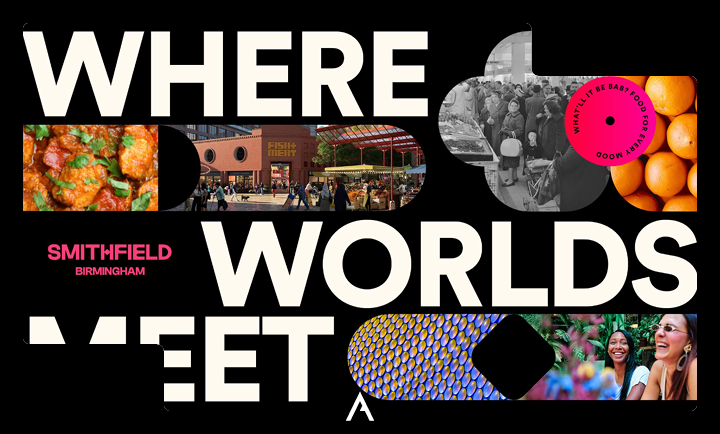
Take Smithfield Birmingham. A new neighbourhood that stitches together existing inner city districts, the brand strategy needed to feel bona fide Brum – or it would simply be rejected. A storyliving approach meant the brand was co-created with audience preferences and desires, ensuring it had a local stamp of approval and hit the ground running, ready to be lived by the people it celebrated.
Across the Channel, Mont d’Est is an eastern Paris district in the midst of regeneration. Audience diversity became a powerful strength, with a flexible storyliving strategy that enabled each group to interpret and inhabit the brand in its own way. As the story came to life through real-world experiences, it fostered belonging, connection and a renewed collective identity.
Then there’s Royal Palm Marrakech Jardin Ocre. At this Fairmont resort, storyliving unfolds through nature, discovery and learning. Across five hectares of lush green space, every path, garden and activity – from the animal park to the climbing wall – becomes part of an experience that encourages people to slow down and explore, immersed in the natural beauty of Morocco.
At Capital 8, the iconic Parisian business hub, storyliving became a catalyst for transformation. As the site evolved and new services opened, the brand was brought to life through curated experiences and shared moments. By connecting micro-communities from different companies around common interests – such as sport, culture and food – Capital 8 shifted from a workplace address to a living ecosystem.
As these examples show, destination storyliving creates the conditions for people to not only experience a place but feel greater emotional ties to it, forging deeper interconnected bonds that benefit everyone.
The next chapter
For a destination’s brand to come alive, it must be experienced. Today, it’s clear that the most powerful destination stories will not be told in brochures or social media ads, but out in the real world – enjoyed, interpreted and shared by audiences themselves.
Storyliving turns brands into daily, tangible experiences, creating a functional and emotional connection that drives attachment, advocacy and repeat visits. It’s immersive and multilayered, creating a living, breathing destination brand that adds meaning and value.
In truth, storyliving has only just begun to be explored. The future is unwritten – and full of potential.